


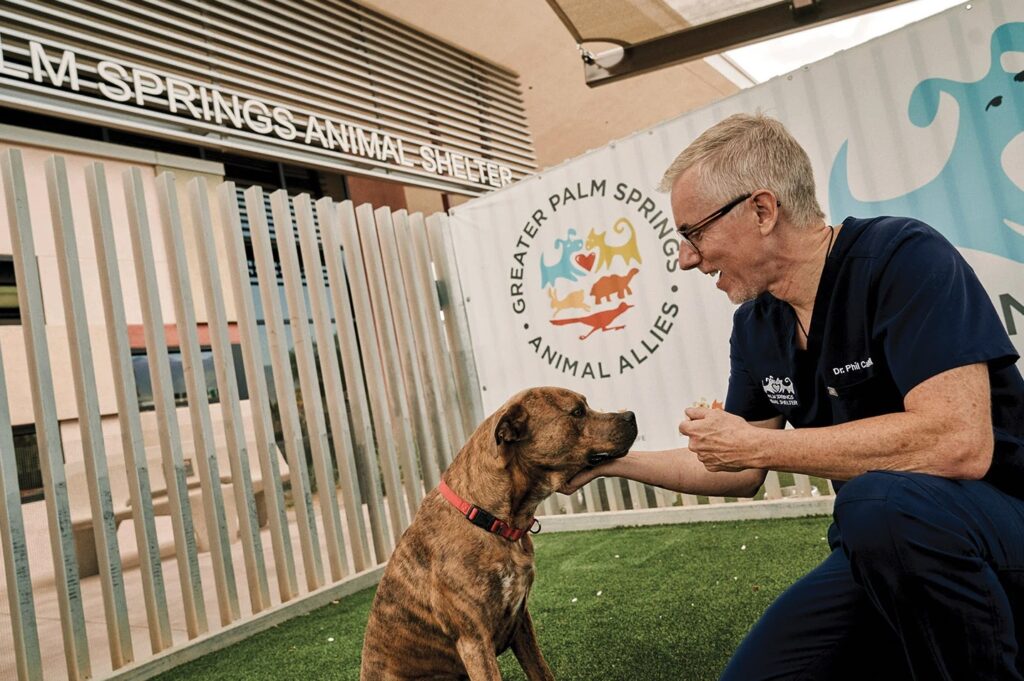
Local advocates work toward a no-kill future.
The Coachella Valley has no shortage of people willing to save animals. The larger problem is preventing so many dogs and cats from needing rescue in the first place. Reducing that pressure means curbing unwanted litters, making veterinary care more affordable, and finding enough adopters and foster homes for the animals already entering local shelters.
For Lindi Biggi, founder of Loving All Animals, the challenge is difficult but far from unsolvable. “There are so many problems on this planet that we don’t know how to solve,” she says. “This one, we do.”
Across the valley, shelters, nonprofits, veterinarians, and residents are putting that conviction into practice. The goal is simple: no-kill animal shelters. The path forward is clear: daily low-cost sterilizations, trap-neuter-return programs for community cats, and broader access to affordable pet care. Some in the Coachella Valley believe it’s possible — and more than that, they’re proving it.

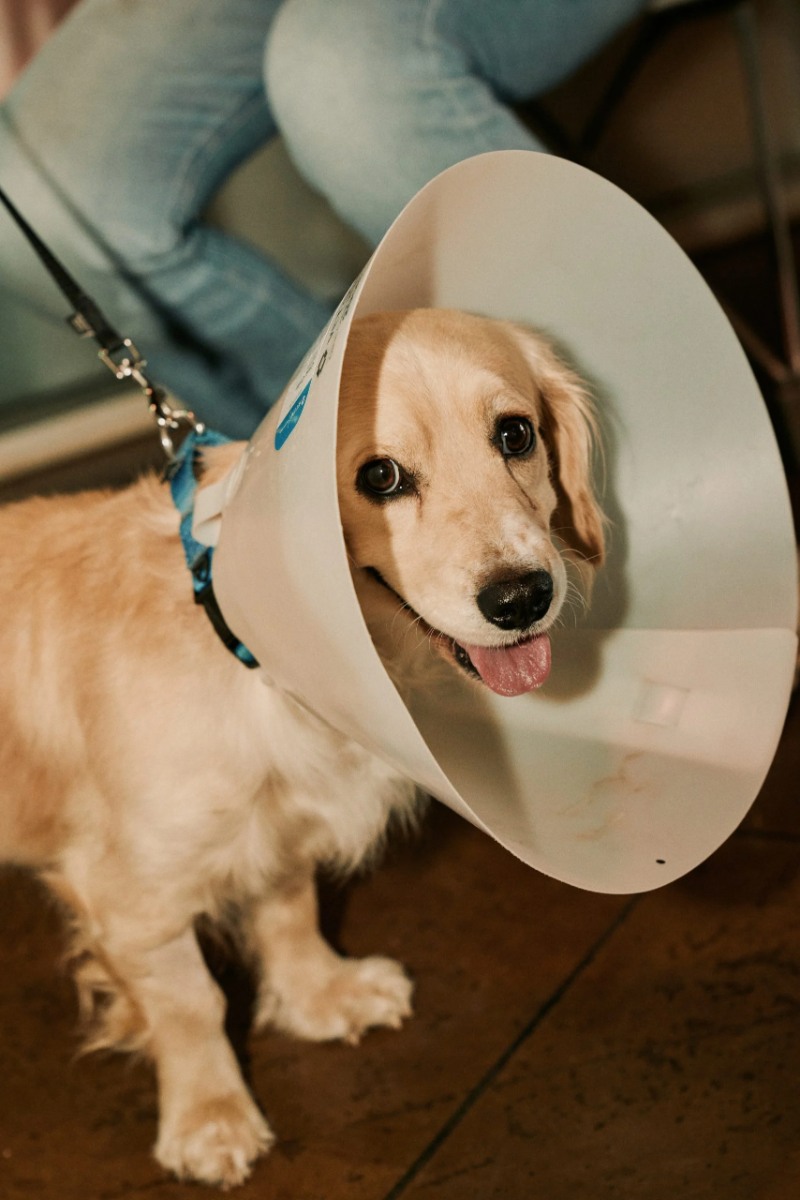

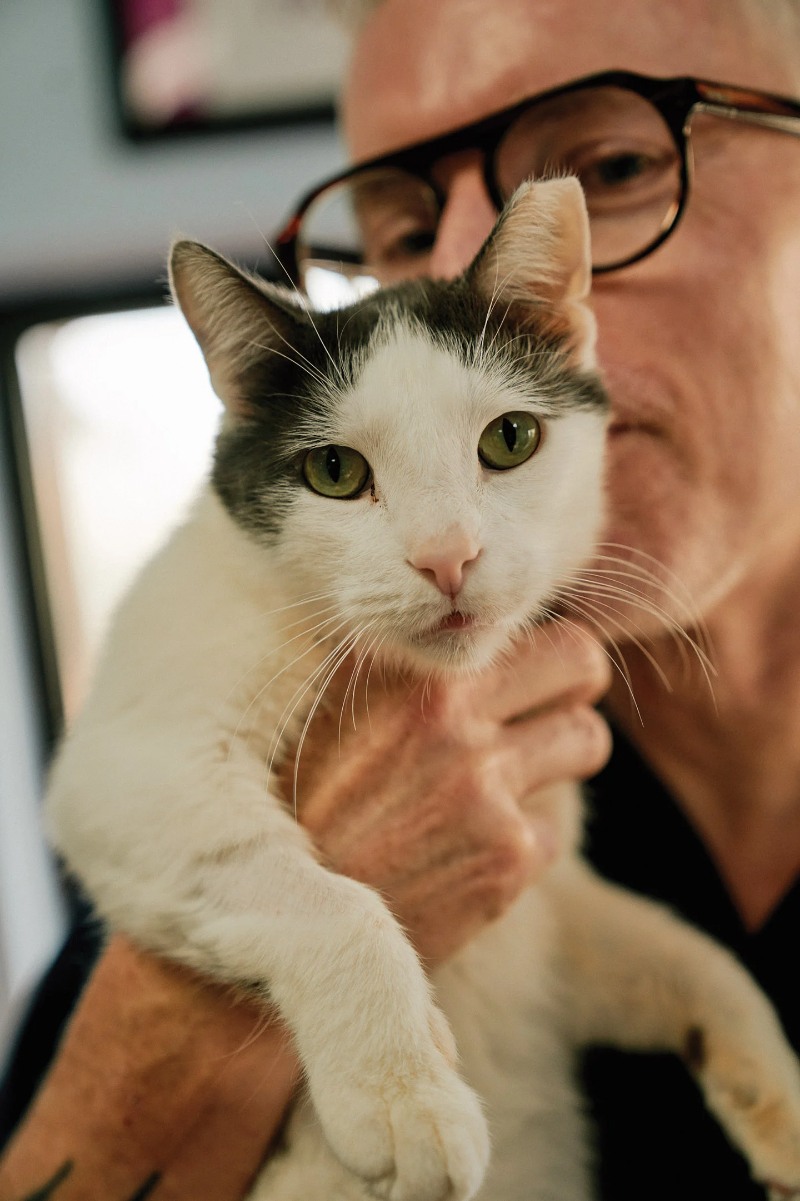
Last year, the Palm Springs Animal Shelter brought in 2,754 animals and placed 1,802 through adoptions alone. The shelter has a live release rate of 94 percent, a metric used to determine each shelter’s progress toward becoming no-kill. The number refers to the percentage of animals that leave a shelter because they have been adopted, returned to their owners, or transferred to other shelters; the remainder die of natural causes or are euthanized. With a live release rate that is 12 percentage points above the national average, the Palm Springs facility is a top-tier no-kill shelter, according to the animal welfare organization Maddie’s Fund.
The shelter’s executive director, Dan Rossi, credits donors with funding that level of care.
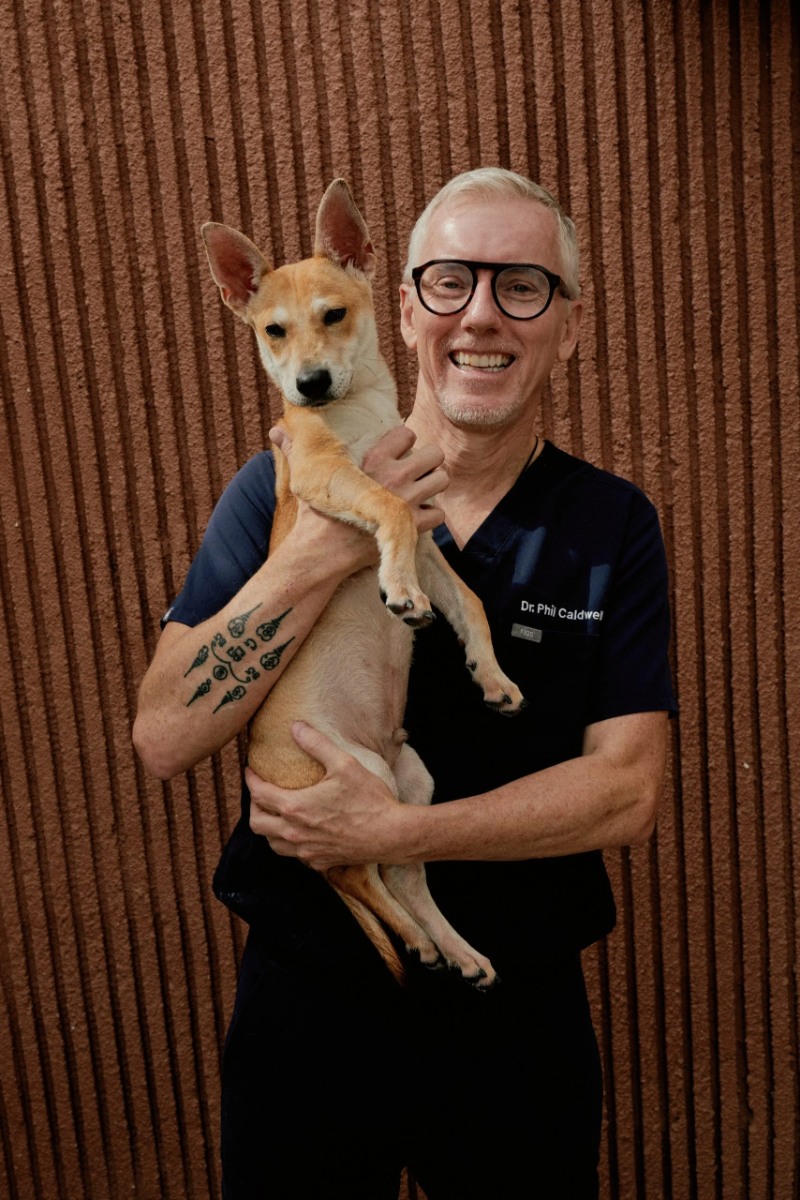
“We recently took two dogs to a neurologist in Orange County, and that was $9,000, so we are fortunate in this valley that the community has come together,” says Dr. Phil Caldwell, medical director at the shelter.
Riverside County Department of Animal Services operates four shelters, located in Blythe, Jurupa Valley, San Jacinto, and Thousand Palms. While Palm Springs Animal Shelter serves Palm Springs, the county’s Coachella Valley Animal Campus in Thousand Palms serves the other desert cities and unincorporated areas of the valley.
In 2025, 29,093 cats and dogs entered the county system, and 20,792 left successfully through adoption, return to owner, or transfer elsewhere. The department’s combined live release rate last year was 79.3 percent, up from 71.6 percent in 2024.
Veronica Perez, public information officer for Riverside County Animal Services, points to expanded adoption, volunteer, and foster programs and stronger community partnerships as reasons for the improvement. “We made significant progress, with more work ahead,” Perez says.
“We really are all in this together,” says Michael Phipps-Russell, executive director of Loving All Animals, a nonprofit animal welfare organization that serves the Coachella Valley. “So if they get over-impacted in San Jacinto, then we should make room for them in the Coachella Valley.”

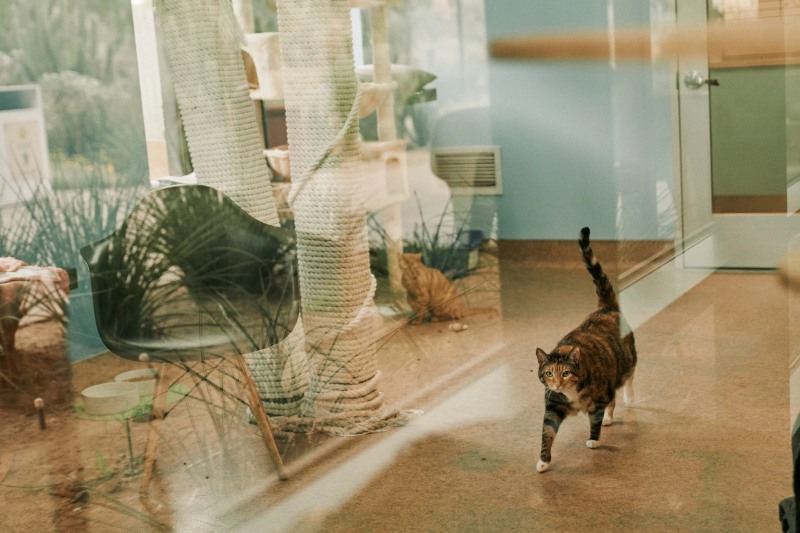
Social cats roam freely in the Cool Cats room at Palm Springs Animal Shelter.
Loving All Animals is preparing to open an 18,000-square-foot veterinary clinic in the former VCA building in Indio. Sixty percent of the space will be used for surgery and year-round spay and neuter services, and the clinic will cut costs for spaying and neutering from hundreds of dollars to as little as $67, with some procedures offered free.
For Biggi, the choice is clear.
“There are two ways of solving the problem,” she says. “One is to euthanize, and the other is to sterilize. It’s our responsibility to get this supply and demand back into balance.”
Palm Springs Animal Shelter is taking the same approach in Desert Hot Springs, where it opened the Desert Community Animal Center a year ago. “We’re only open Wednesday through Saturday right now, but it’s a way for the public to get cheaper spays and neuters, as well as general veterinary care,” Caldwell says.
Both Caldwell and Rossi note that cat and kitten intake at Palm Springs Animal Shelter is down about 10 percent from the same period last year.
“We’re not sure what to make of that yet, but maybe the spaying and neutering are starting to make a difference,” Rossi says.
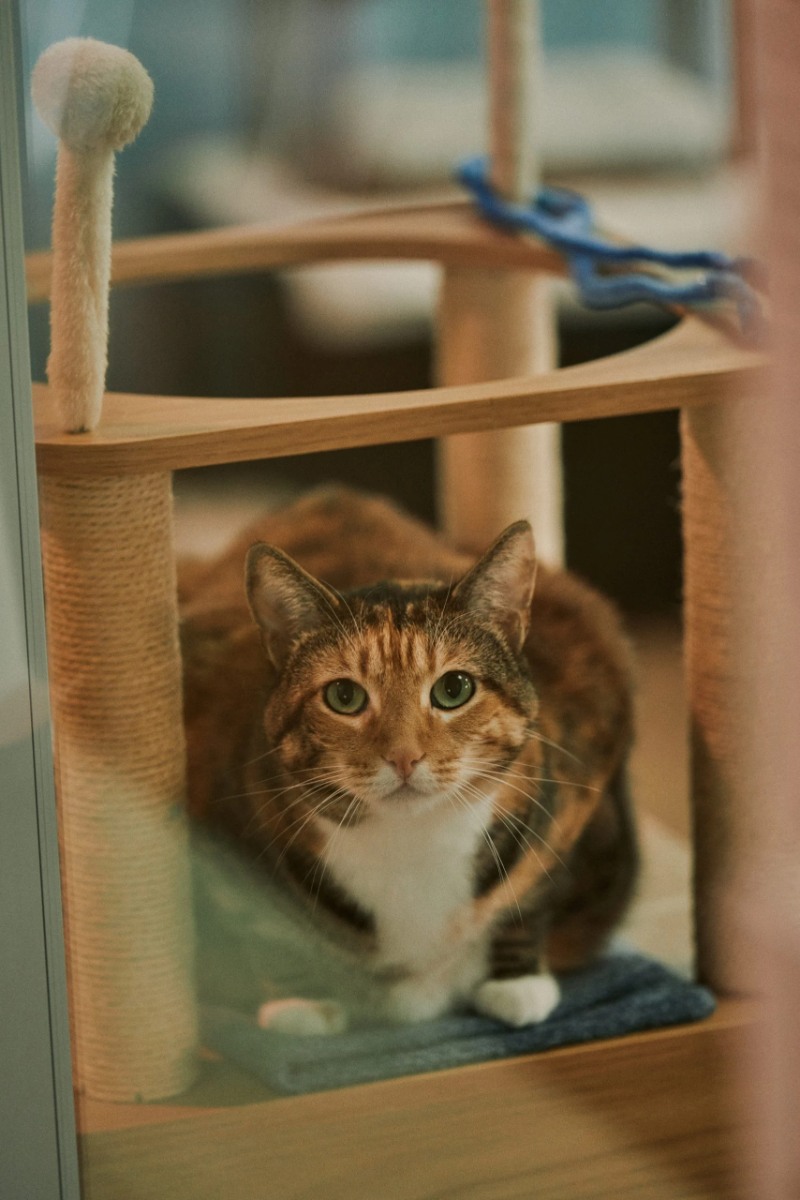
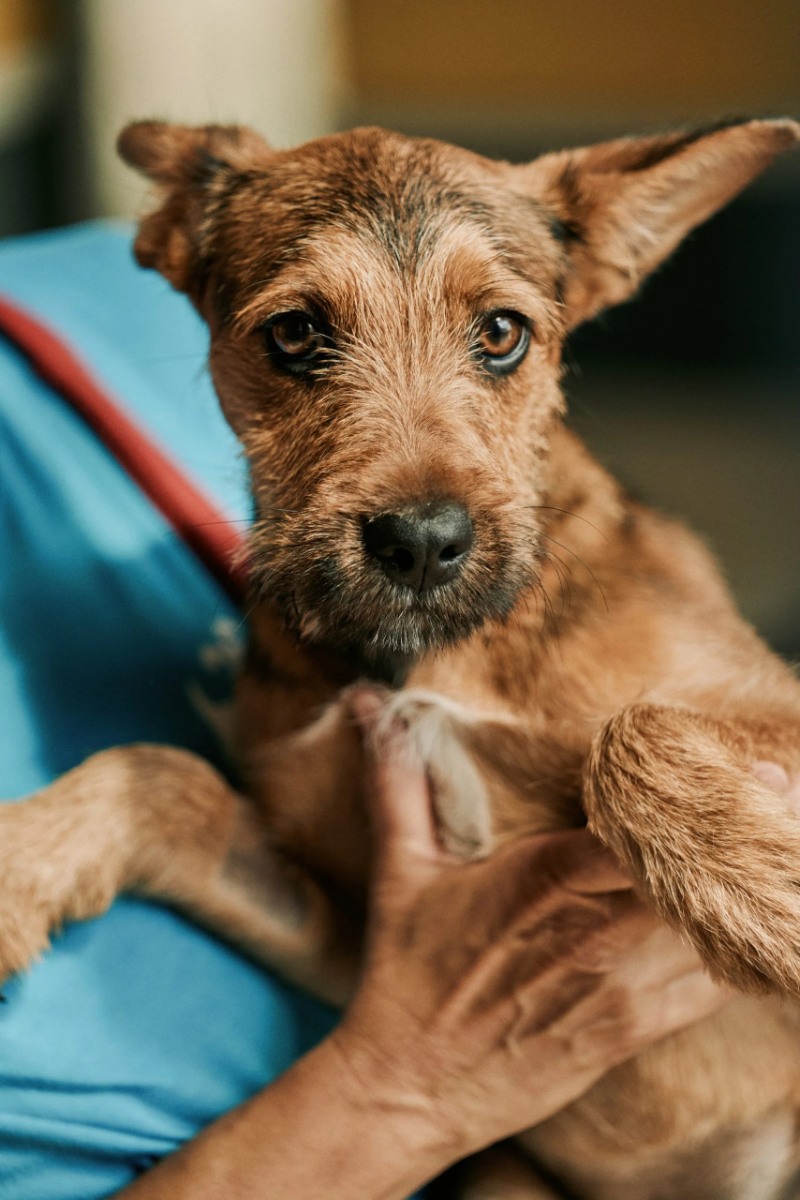
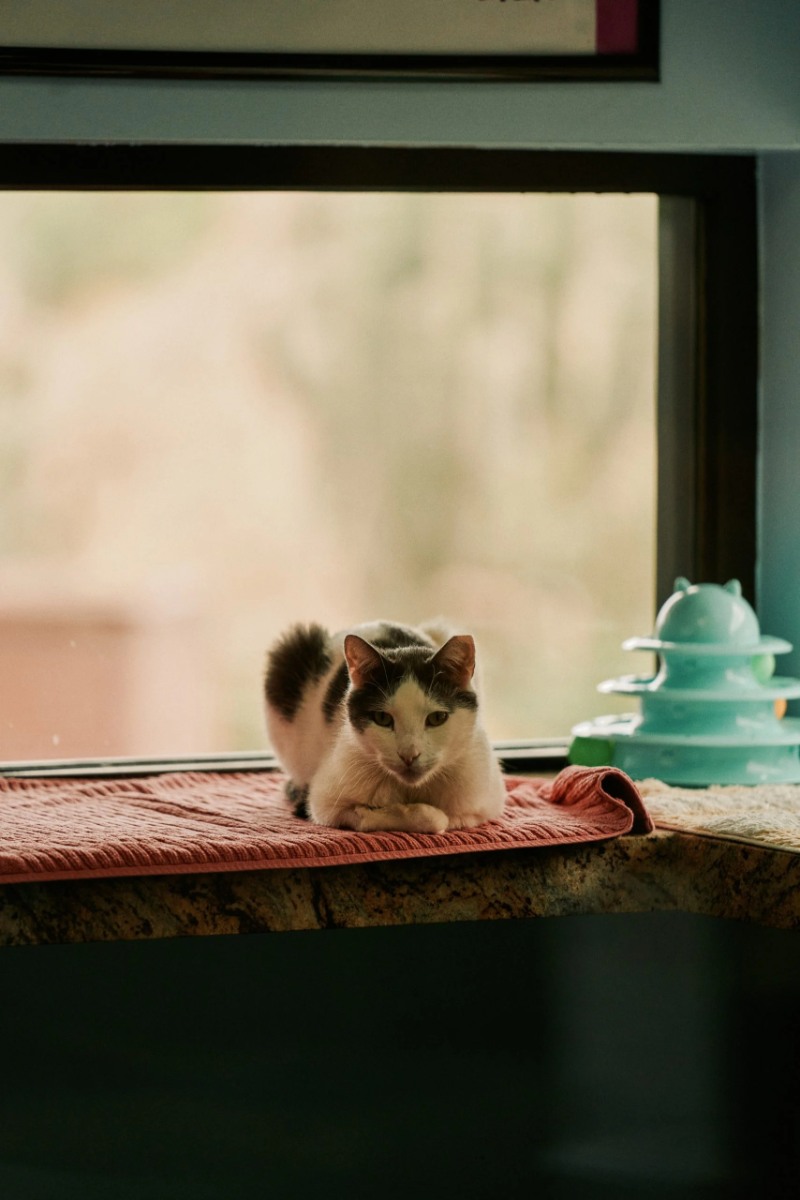
The valley’s veterinary network also includes VEG ER, the only emergency veterinary hospital in the Coachella Valley open 24 hours a day, seven days a week. The Palm Desert hospital opened in May 2025. Medical director Michael Hyder says it sees up to 50 patients a day and was designed to support local animal agencies as well as pet owners.
Hyder plans to support Loving All Animals’ Indio clinic with sterilization training and additional veterinarians. He also works closely with Palm Springs Animal Shelter.
“If any of our fosters have an emergency with their cats or puppies or dogs or whatever, they can be treated and our shelter will take care of that fee,” Rossi says. “But that’s only because Michael gave us a discount.”
Fostering creates room in shelters by moving animals into temporary homes. At Palm Springs Animal Shelter, foster caregivers receive food, litter, vaccines, and all medical care at no cost for the animals they take home.
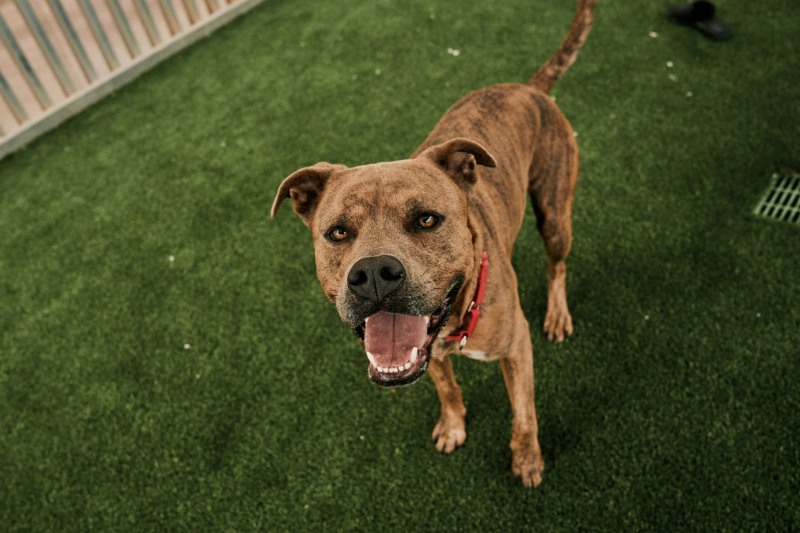
“Someone will find a dog or a cat and bring it to the shelter and say, ‘When it’s ready, I’ll adopt,’” Caldwell says. “We do everything, even down to dental, for as long as needed, and they literally just got hundreds of dollars’ worth of veterinary care for free.”
The arrangement also costs the shelter less than caring for the animal on-site.
“It’s more economical and cheaper for us to have an outside foster do all of that than to keep that animal in the shelter,” Rossi adds. “So it’s a no-brainer to supply those things.”
Reaching no-kill status depends on residents willing to adopt, donate, foster, and spay or neuter their pets. The resources are there, Biggi notes, but the work is far from over.
“This community can be the community that sets the example,” she says. “I strongly believe that if we do it — make enough noise — other communities will copy us, and then, who knows, the whole world might.”


